
by: Leonardo Corbucci 27 Marzo 2024 11:50
Strategies for Increasing Energy Efficiency in the Industrial Sector
Solar energy as a strategic key for businesses
In the current context of growing concern for the environment and sustainability, energy efficiency plays a fundamental role in resource management and in reducing the environmental impact of industrial activities.
Among the various sources of renewable energy that can contribute to this goal, solar energy stands out for its widespread availability and unlimited potential.
In the industrial sector, the adoption of strategies aimed at exploiting solar energy can lead to significant improvements in terms of energy efficiency, cost reduction, and greenhouse gas emissions reduction.
There are several strategies for increasing energy efficiency in the industrial sector through solar energy, including:
-
Installation of photovoltaic solar panels:
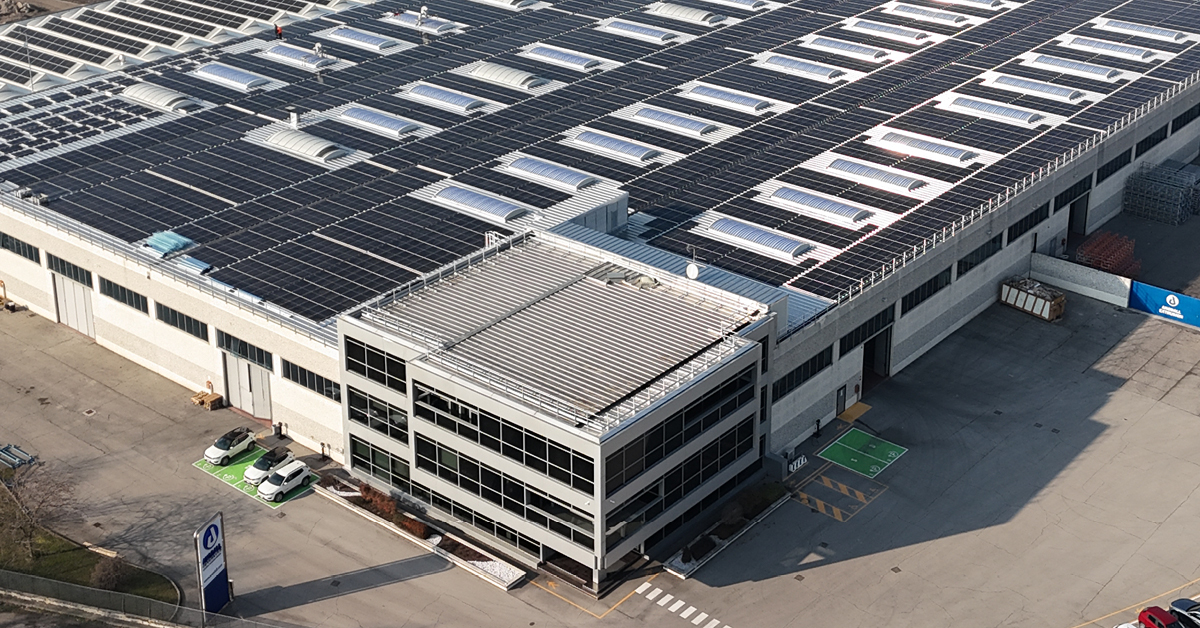
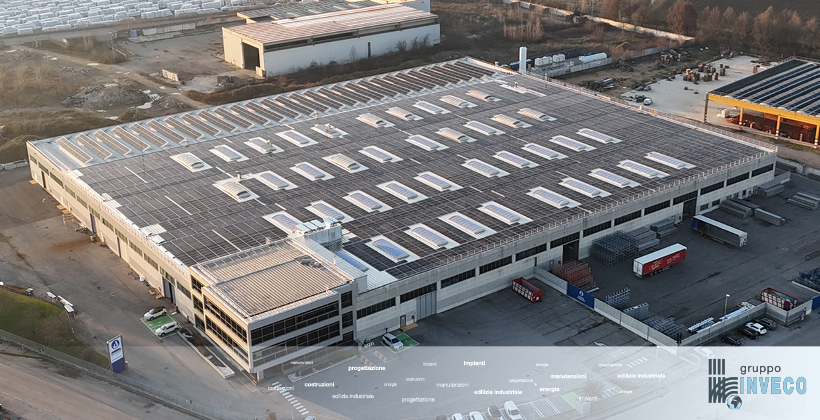
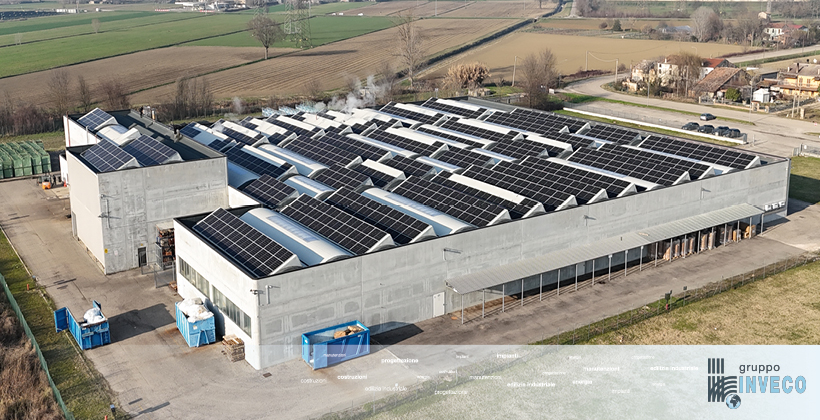
This is the most direct method to exploit solar energy. Installing solar panels on the roofs of industrial buildings or surrounding land can allow the generation of clean energy directly on site. This energy can be used to power industrial activities or to reduce dependency on the traditional electricity grid.
-
Integration of energy storage systems:
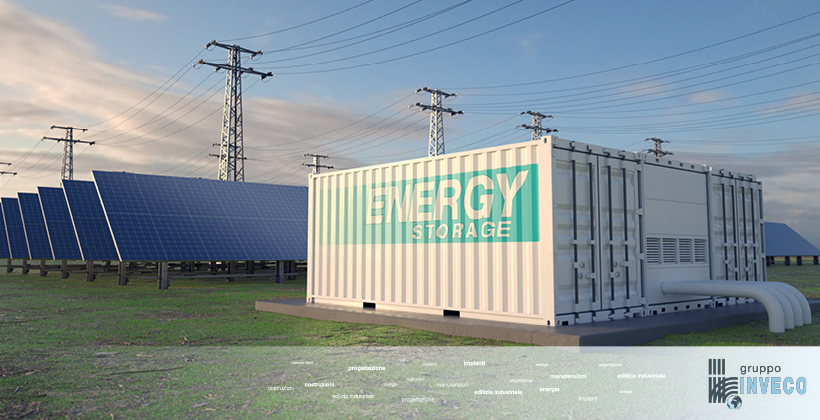
Energy storage systems can be used to store solar energy during the day and use it when needed, even at night or during consumption peaks. This helps optimize the use of solar energy and reduce energy costs.
-
Optimization of industrial plants’ energy efficiency:
Before integrating solar energy, it is important to optimize the energy efficiency of industrial plants. This can involve upgrading machinery and lighting systems to make them more energy-efficient.
Implementation of monitoring and control systems:
The installation of advanced energy monitoring systems can help identify and reduce energy waste in industrial plants. These systems allow for close monitoring of energy consumption and real-time corrective measures.
Use of solar energy for industrial processes:
In some cases, it is possible to directly use solar energy to power specific industrial processes. For example, in sectors requiring heating or cooling, solar thermal systems can be used to meet part or all of the energy needs.
-
Adoption of sustainable energy management practices:
Sustainable energy management practices, such as scheduling work hours to maximize the use of available solar energy or implementing energy recycling policies, can further contribute to reducing the overall energy consumption of industrial plants.
Policies in favor of enterprises to support the digital and energy transition process of the national production system:
For example, measures such as Decree Law 19/2024, a provision that contains, among other norms, a system of incentives in favor of enterprises to support the digital and energy transition process of the national production system, known as “Transition Plan 5.0”, established within the framework of the PNRR, in virtue of what is established regarding Mission 7 of the REPowerEU.
To support the digital and energy transition process, a tax credit is recognized for all companies resident in the state territory and for non-resident stable organizations, for new investments in production structures located in Italy, made in the biennium 2024 and 2025.
Investments must fall within innovative projects and involve new capital goods, tangible and intangible, interconnected to the company’s production management system, achieving a reduction in energy consumption of the processes involved compared to the previous year.
Annex B to law 232/2016 is integrated to include among the 4.0 intangible assets also software, systems, platforms for the continuous monitoring and visualization of energy consumption and self-produced and self-consumed energy, or that introduce energy efficiency mechanisms through the collection and processing of data.

Within the scope of innovation projects that achieve a reduction in energy consumption, further investments in new material assets, instrumental to the business exercise, for the self-production and self-consumption of energy from renewable sources (including plants for the storage of produced energy), as well as expenses for personnel training to acquire skills in the digital and energy transition of production processes, are also eligible for support.
Access to the contribution is subject to the presentation of specific certifications, which attest both the potential reduction of energy consumption resulting from the investment (ex ante) and the actual realization of the same investment (ex post).
In conclusion, the adoption of strategies to increase energy efficiency through the use of solar energy can bring numerous advantages for industries.
These strategies not only contribute to reducing operational costs and improving environmental sustainability but also promote energy independence and mitigate the negative impact on the environment caused by non-renewable energy sources.
In-depth analysis by Giuseppe Gallo – Technical Office GRUPPO INVECO.
Recent Posts
Categories
