
by: Leonardo Corbucci 4 Aprile 2024 4:45
Long-Term Energy Cost Reduction: Strategies and Practices for Businesses.
Reducing electricity consumption and lowering one’s environmental impact is increasingly becoming a strategic imperative for companies.
In the current context, marked by increasing geopolitical tensions and heightened focus on sustainability, reducing electricity consumption and minimizing environmental impact is increasingly becoming a strategic imperative for businesses.
Energy Audit and Consumption Monitoring
Before taking any action to reduce energy costs, it is crucial to conduct a comprehensive energy audit of the company’s production cycle.
This process involves a detailed analysis of energy flows throughout the company, identifying critical points of consumption and areas where improvements can be made.
Continuous monitoring of energy consumption is equally important, as it provides data that allows the company to promptly identify and correct any wastage or inefficiencies.
Through an audit, companies can gather accurate data on their energy consumption and identify areas where interventions are needed to reduce costs.
Energy Efficiency and Process Optimization
Once the areas for intervention have been identified, the company can focus on finding targeted solutions to implement to improve energy efficiency and optimize processes.
This might include:
> Installing more energy-efficient equipment and machinery.
> Optimizing heating, ventilation, and air conditioning (HVAC) systems.
> Adopting LED lighting technologies and implementing advanced energy management systems.
For example, the Environmental Protection Agency (EPA) estimates that adopting LED lighting technologies can reduce lighting energy costs by up to 75%.
Moreover, optimizing HVAC systems can lead to significant savings, with the EPA stating that regular maintenance of HVAC systems can reduce energy consumption by up to 20%.
According to the U.S. Department of Energy, implementing energy efficiency measures can save an average of 5% to 30% on energy costs.

Integration of Renewable Energies
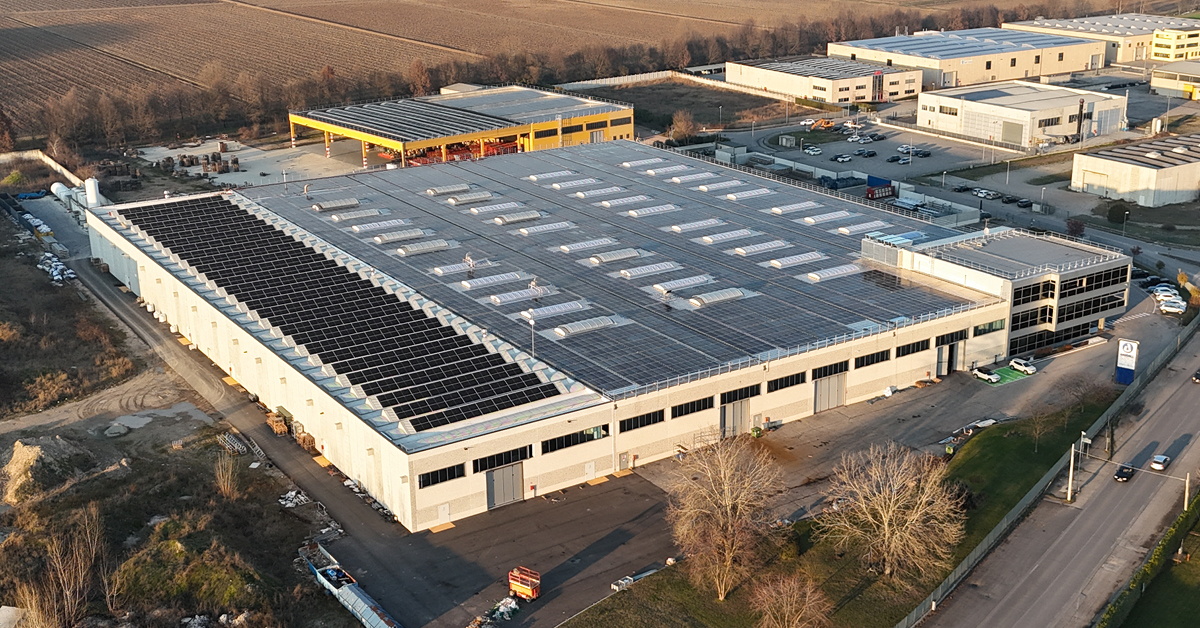
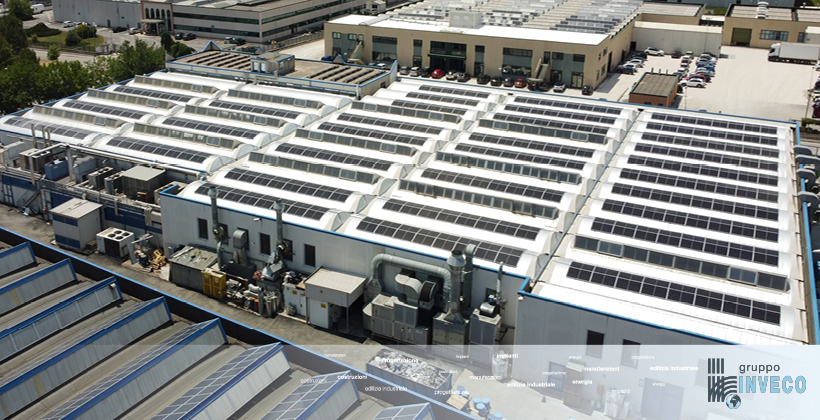
Another effective strategy for reducing long-term energy costs is the integration of renewable energies into the company’s operations.
Installing photovoltaic systems, wind turbines, or cogeneration systems can allow the company to generate part or all of its energy needs sustainably and at reduced costs over the long term.
In many cases, these solutions can also benefit from tax incentives and subsidized financing, making them even more economically viable.
Integrating renewable energies can represent a significant opportunity for companies to reduce energy costs over the long term.
According to the International Renewable Energy Agency (IRENA), the cost of solar energy has decreased by 82% since 2010, making the installation of photovoltaic systems increasingly affordable.
Employee Awareness and Engagement
Finally, actively involving employees in the goal of reducing energy costs is crucial.
Educating and raising awareness among employees about sustainable energy practices can significantly contribute to changing behaviors and work habits that lead to more efficient energy consumption.
According to a study conducted by Deloitte, companies that involve employees in sustainability initiatives record a 55% increase in operational efficiency and a 34% reduction in energy costs.
Implementing awareness programs and encouraging employees to adopt sustainable energy behaviors can lead to significant savings in energy consumption.
In conclusion, reducing long-term energy costs represents not only a challenge but also an opportunity for energy-intensive companies to improve their competitiveness, reduce environmental impact, and ensure greater financial sustainability over the long term.
By adopting a combination of strategies such as energy audits, energy efficiency, integration of renewable energies, and employee engagement, companies can position themselves advantageously in a market increasingly oriented towards sustainability and energy efficiency.
This in-depth analysis is provided by Dr. Emanuele Massafra, GRUPPO INVECO.
Recent Posts
Categories
